
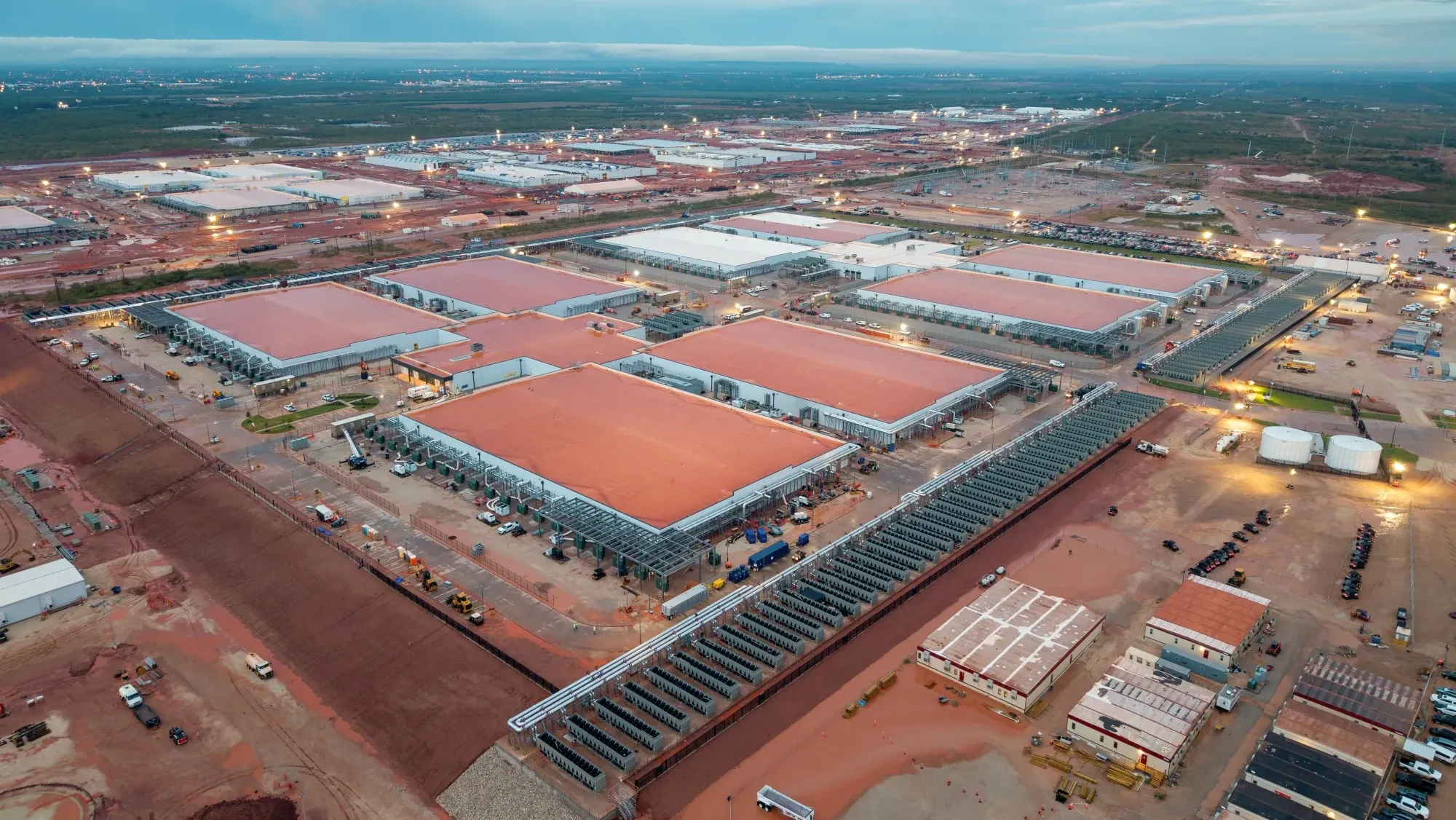
The artificial intelligence industry is running headfirst into a problem of its own making. The same systems driving explosive growth across technology, finance, healthcare, and media now demand so much computing power that infrastructure itself has become a bottleneck. Power grids strain, GPU supply chains tighten, and data centers begin to resemble small cities in their energy needs.
In a twist that feels inevitable, the industry’s response has been to deploy AI to manage the crisis created by AI.
Major technology companies are increasingly using machine learning to optimize the infrastructure that supports large-scale AI systems. From chip placement and workload scheduling to power distribution and cooling, AI is quietly moving from customer-facing applications into the operational core of the tech industry.
Training modern AI models is no small feat. A single large language model can consume as much electricity as hundreds of households over the course of a year. Once deployed, inference workloads create continuous demand that scales with every additional user. The result is an infrastructure challenge unlike anything previous computing eras faced.
Traditional data center management systems were designed for relatively predictable workloads. AI training and deployment are anything but predictable. Thousands of specialized processors must work in sync, with ultra-low latency networking and near-perfect uptime. Small inefficiencies compound quickly at this scale, turning minor misallocations into major costs.
At the same time, access to hardware has become fiercely competitive. Demand for advanced GPUs such as NVIDIA’s H100 and H200 continues to outstrip supply, with some organizations paying steep premiums to secure capacity. For many startups, access to compute now rivals talent acquisition as the primary constraint on growth.
Energy consumption may be the most visible pressure point. Large AI-focused data centers can require more than 100 megawatts of continuous power, placing stress on local grids and intensifying scrutiny around environmental impact. Regulators, investors, and communities are increasingly asking whether current growth trajectories are sustainable.
This scrutiny has pushed sustainability from a secondary concern to a strategic priority. Companies are investing in renewable energy agreements, experimenting with advanced cooling techniques, and relocating data centers closer to abundant clean power sources. Efficiency is no longer just about cost reduction; it is about maintaining a social license to operate.

AI Managing AI Infrastructure
This is where AI-powered infrastructure management enters the picture. Machine learning systems are now being used to analyze historical usage patterns, predict resource needs, and dynamically allocate computing capacity. These systems can spot inefficiencies invisible to human operators and respond in real time.
Reinforcement learning models help schedule training workloads to reduce contention for scarce GPUs. Predictive maintenance systems analyze sensor data from power and cooling equipment to anticipate failures before they happen. Intelligent energy management tools adjust power usage based on grid conditions and electricity pricing.
The results are significant. Some organizations report effective capacity increases of 20 percent or more without adding new hardware. AI-driven cooling optimizations have delivered energy savings exceeding 30 percent in certain deployments. In an environment where every watt and every GPU hour matters, these gains translate directly into competitive advantage.
Software optimization alone is not enough. The infrastructure crunch has accelerated the development of custom AI hardware designed for specific workloads. Cloud providers are investing heavily in proprietary chips that outperform general-purpose GPUs on performance-per-watt metrics.
Google’s TPUs, Amazon’s Trainium and Inferentia, and Microsoft’s custom silicon initiatives reflect a broader move toward vertical integration. By controlling the full stack, from silicon to software, these companies can tailor infrastructure to their needs and reduce reliance on constrained external suppliers.
This strategy favors large, well-capitalized firms. Smaller organizations must rely on cloud providers, potentially widening the gap between industry leaders and everyone else. Infrastructure, once a background concern, is now shaping market structure and competitive dynamics.
A New Infrastructure Economy
The AI infrastructure challenge has also created new markets. Companies specializing in workload optimization, AI networking hardware, advanced cooling systems, and infrastructure monitoring are attracting substantial investment. An entire ecosystem is forming around the problem of making AI scalable.
Cloud providers play a dual role, lowering barriers to entry while simultaneously gaining pricing power as demand continues to exceed supply. For many startups, infrastructure costs consume the majority of their budgets, influencing what kinds of models and applications are economically viable.
As models grow larger and more capable, infrastructure demands are expected to rise exponentially. Future systems with trillions of parameters will push current architectures to their limits. Solving this problem will require more than incremental efficiency gains.
Algorithmic innovation, model compression, distributed training techniques, and fundamentally new architectures will all play a role. Using AI to optimize its own infrastructure is a necessary and effective short-term response, but it is not a complete solution.
The companies that thrive in the next phase of AI will not be defined solely by the intelligence of their models. They will be defined by how efficiently, sustainably, and intelligently they manage the machines that make those models possible.
Take action!
Dhiria builds Speech-To-Text, OCR, and Forecasting models for organizations that care about insight, not infrastructure overhead. See how smarter, more efficient AI can transform your data, visit www.dhiria.com or contact us for a demo!